

For a Nizamuddin outing from The Athena Hotel, the Tomb of Abdul Rahim Khan-i-Khanan is a Mughal-era monument built by poet and court official Rahim for his wife. Its history and design offer a focused heritage stop in this part of New Delhi, and the garden is listed as open from sunrise to 10 PM.
- Location: Nizamuddin, Delhi, under the Archaeological Survey of India.
- Getting there: A car trip from The Athena Hotel.
- Garden hours: Open daily
- Tickets and interior access: confirm the current arrangements with the Archaeological Survey of India before your visit.
What is the tomb’s place in New Delhi’s heritage landscape?
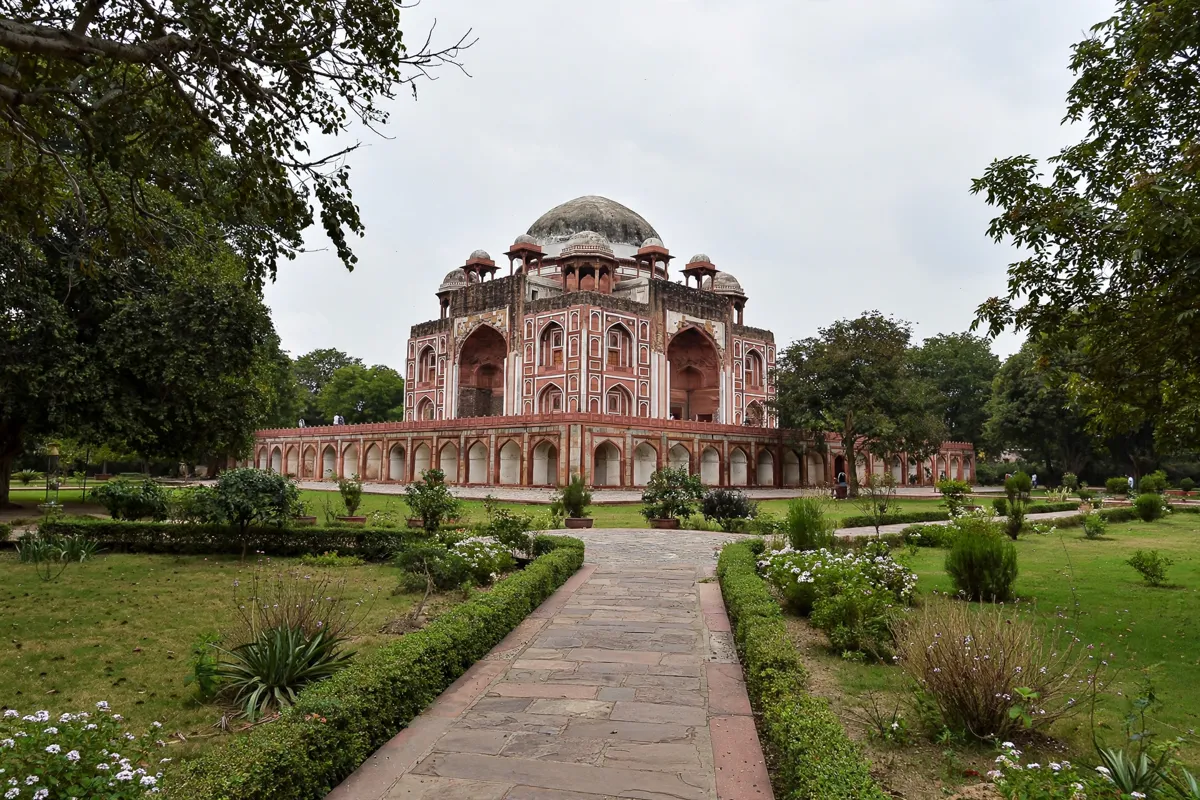
The tomb links the story of Rahim’s family with the wider Mughal heritage of Nizamuddin. Abdul Rahim Khan-i-Khanan was the son of Bairam Khan, Akbar’s regent. He served both Akbar and Jahangir, and wrote Hindi couplets under the name Rahim.
Rahim built the tomb after his wife died in 1598. He was buried there after his own death in 1627. Its location makes the monument a separate stop among Nizamuddin heritage sites, rather than part of a visit to the larger Humayun’s Tomb Complex.
What architectural features should you look for?
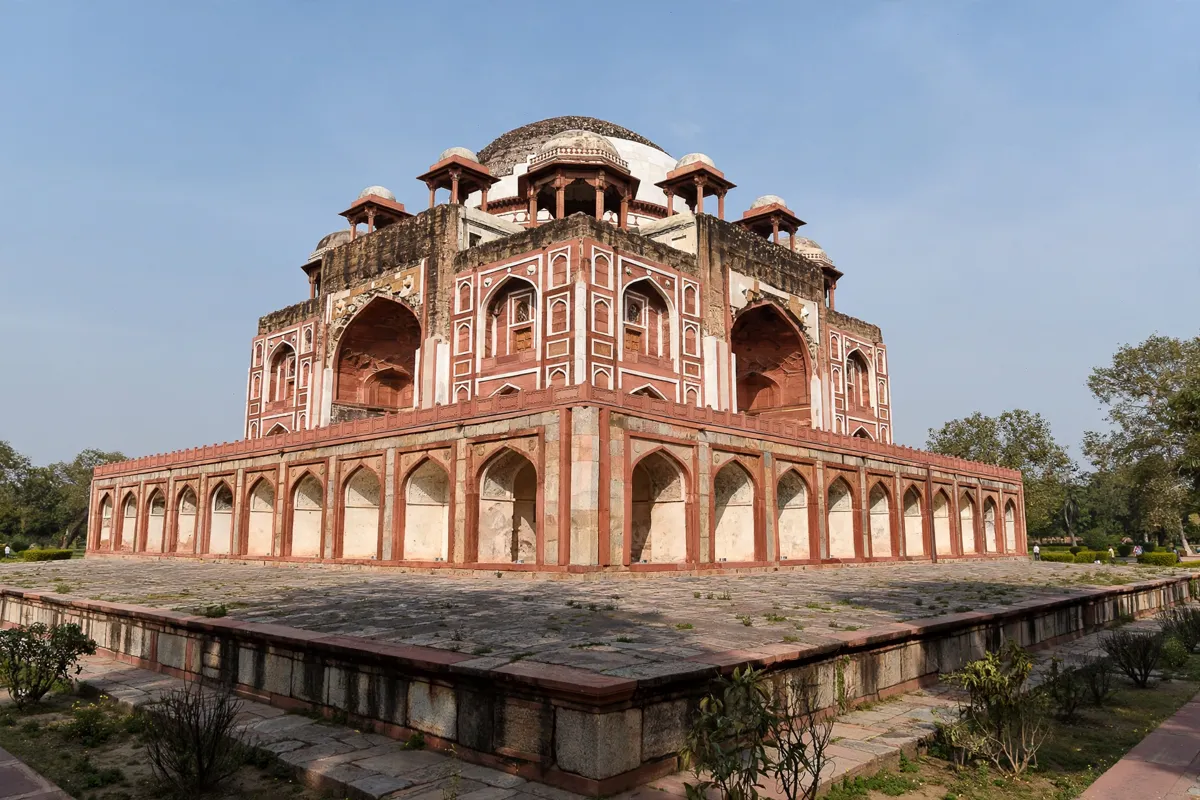
The tomb’s design is similar to Humayun’s Tomb, but its materials tell a story of change. It originally had red sandstone, buff sandstone and marble facing. Its interior features incised and painted plaster, and a cenotaph of Rahim stands on the first floor.
The original marble and other stone facing were later removed and reused in Safdar-Jang’s Tomb, built in 1753. That history helps explain why the tomb’s surviving surfaces differ from their original finish.
How do you plan a visit?
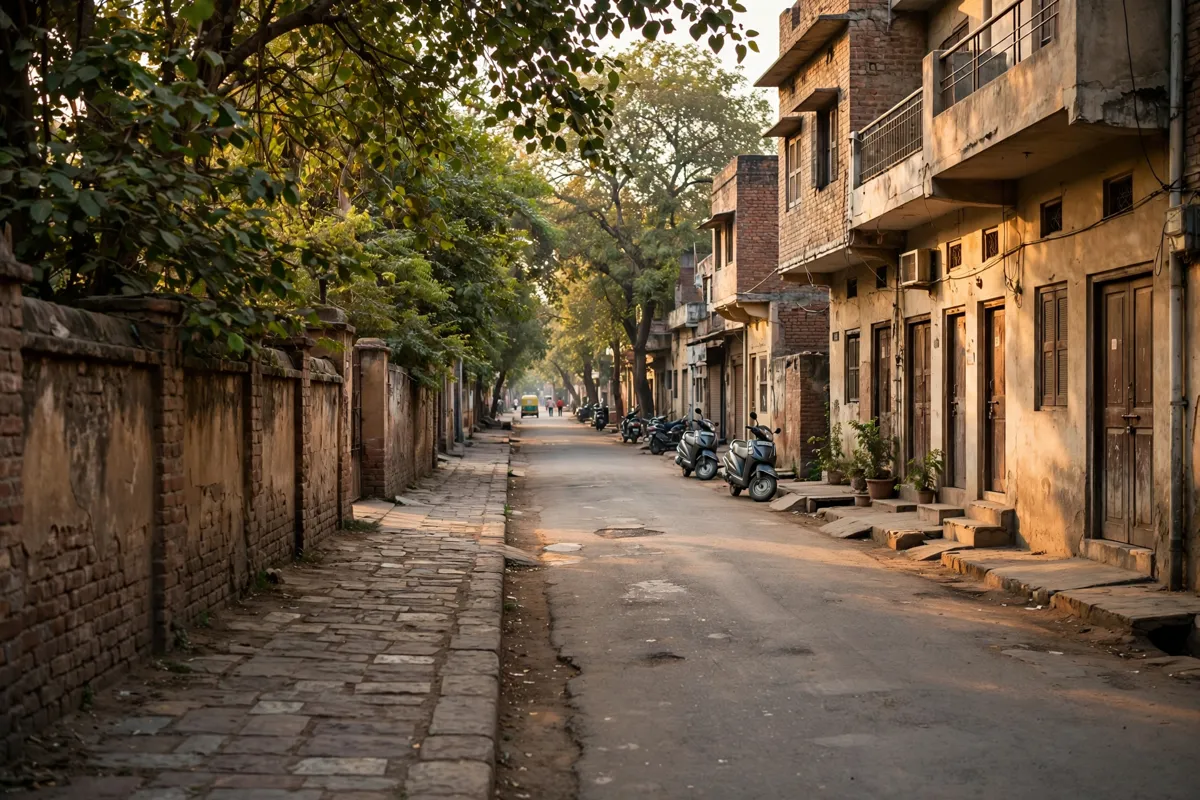
From The Athena Hotel, the tomb is about a 19-minute drive. Start with the garden and the tomb’s exterior, then check whether interior access is available before planning around it.
The Archaeological Survey of India’s published rules give the garden hours, but those hours do not establish that the tomb interior is open to visitors. The monument is under the Archaeological Survey of India’s administrative control. You can pair the visit with nearby Chausath Khamba, known for its marble pillars and domes.
Opening hours
- Monday to Sunday: 10:00–17:00
Last checked November 2026. Hours can change on holidays and for special events.
If you’re arranging your stay in New Delhi, rooms at this three-star hotel are available.
What can you combine with the tomb nearby?
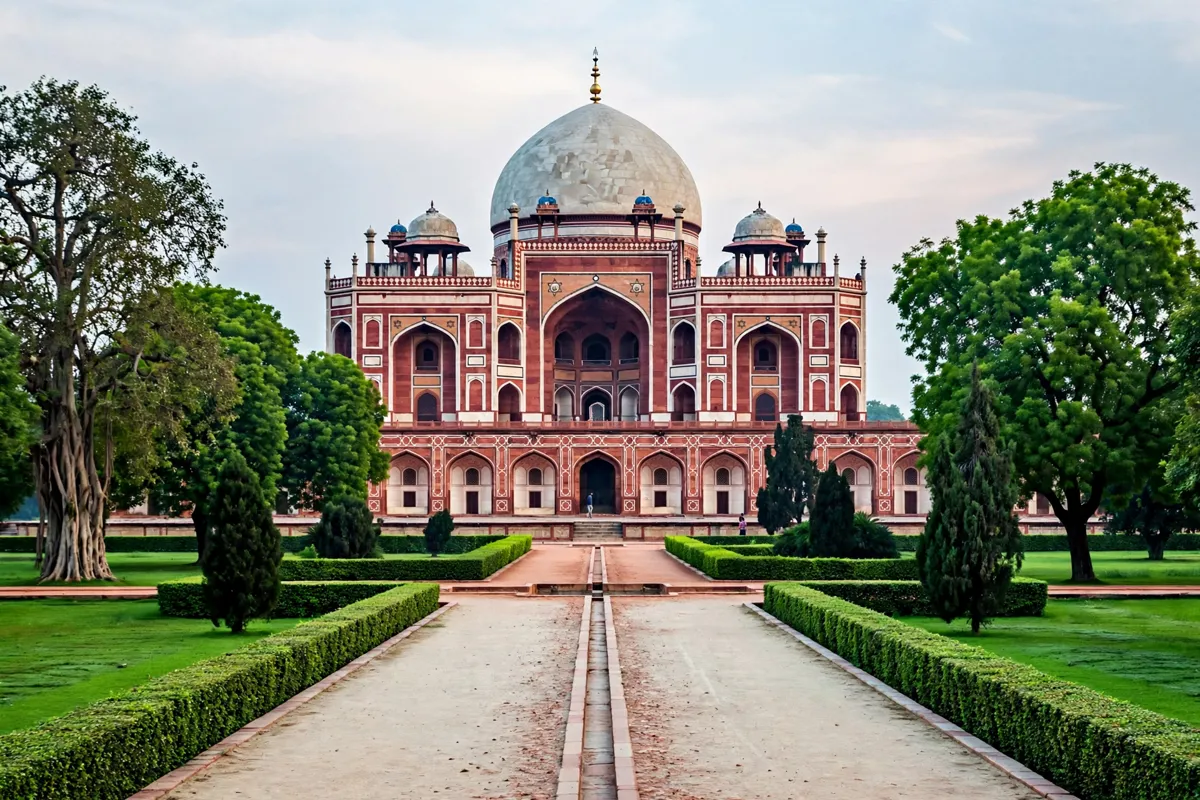
Pair the tomb with other Nizamuddin-area monuments if you want to make a heritage-focused outing. Humayun’s Tomb is one possible companion; its setting and visitor details are covered in this guide to how to visit the Humayun’s Tomb Complex.
Chausath Khamba offers a different architectural detail: its name refers to its 64 monolithic marble pillars. Built in 1623–24 as the tomb of Mirza Aziz Koka, Akbar’s foster brother, it stands near Atgah Khan’s tomb at the edge of the Nizamuddin Dargah. The structure is entirely marble, with 25 marble domes supporting its flat roof.
Arab Sarai is another monument in the area, and its setting can complement a visit to the tomb. A guide to Arab Sarai and nearby monuments covers the surrounding heritage sites.
Before setting out, check the official site before you go for current garden hours, ticket arrangements and access information. The Archaeological Survey of India administers the Khan-i-Khana monument; Delhi Tourism provides visitor information for Humayun’s Tomb.
FAQs
Who was Abdul Rahim Khan-i-Khanan?
Rahim was the son of Bairam Khan, served Akbar and Jahangir, and wrote Hindi couplets under the name Rahim.
When was Rahim’s tomb built?
Rahim built it after his wife died in 1598. He was buried there after his death in 1627.
Is the tomb interior open during the garden hours?
Open daily. The published hours apply to the garden and do not establish interior access. Check with the Archaeological Survey of India before your visit.
What is Chausath Khamba known for?
Its name refers to its 64 monolithic marble pillars. The building also has 25 marble domes supporting its flat roof.